TL;DR
Unicode SM is a character encoding standard that assigns a unique numeric value to each letter, symbol, or emoji.
- It supports thousands of characters from multiple scripts, including Arabic, Cyrillic, and Chinese.
- Each character uses more data than standard GSM characters, affecting message length.
- Unicode ensures consistency across devices, preventing symbols from turning into boxes or garbled text.
- Modern messaging platforms and SMS APIs rely on Unicode to handle multilingual campaigns efficiently.
Most people assume SMS is just plain text, but the reality is far more complex. When you send a message with emojis, accented letters, or non-Latin scripts, your phone relies on Unicode to deliver it accurately.
Without it, characters can break, appear as question marks, or get truncated. For businesses, this matters: a misread message can confuse customers or hurt your brand.
Understanding Unicode SMS equips you to craft messages that work across languages, devices, and networks, keeping your communication professional, readable, and reliable. This article explains how Unicode functions, how it differs from standard SMS, and why it matters for modern messaging.
What is Unicode in SMS?
Unicode SMS is a character encoding standard that assigns a unique numeric value to each letter, symbol, or emoji. Unlike traditional SMS encoding (GSM), which only supports a small set of Latin characters and basic punctuation, Unicode can represent virtually every character used worldwide.
The primary purpose of Unicode in SMS is to ensure messages display correctly, regardless of the recipient’s language, device, or operating system.
When you type a Japanese greeting, an accented French word, or a string of emojis, Unicode translates each character into a code that any compatible phone can read.
Key points to understand about Unicode SMS:
- It supports thousands of characters from multiple scripts, including Arabic, Cyrillic, and Chinese.
- Each character uses more data than standard GSM characters, affecting message length.
- Unicode ensures consistency across devices, preventing symbols from turning into boxes or garbled text.
- Modern messaging platforms and SMS APIs rely on Unicode to handle multilingual campaigns efficiently.
By using Unicode SMS, you avoid guessing which characters will render correctly, enabling businesses to communicate confidently with diverse audiences.
Unicode vs GSM: Key Differences in SMS Messaging
Modern SMS messaging offers two main encoding options: GSM and Unicode. Understanding their differences is critical for accurate, efficient messaging.
1. Character set / Supported characters
GSM supports a limited set of 128 characters, mostly standard Latin letters, numbers, and a few punctuation marks. Unicode can encode thousands of characters, including emojis, accented letters, and scripts from Arabic, Chinese, or Cyrillic alphabets.
If your message contains a character outside GSM, your platform automatically switches to Unicode.
2. Message length / Character limits
A standard GSM SMS can carry up to 160 characters per message. Unicode messages reduce this limit to 70 characters per SMS segment because each Unicode character uses more data. Longer Unicode messages are split into multiple segments, increasing both complexity and cost.
3. Encoding type
GSM uses 7-bit encoding, optimized for English and similar alphabets. Unicode uses 16-bit encoding, allowing for global character coverage. This difference explains why Unicode messages often take up more space and why planning your content is important.
4. Message segmentation / Concatenation
When a message exceeds the character limit, it splits into multiple segments. GSM messages can concatenate up to 153 characters per segment in multi-part messages.
Unicode segments carry up to 67 characters each. Proper segmentation ensures recipients read the message in the correct order without broken characters.
5. Compatibility / Device support
Most modern smartphones fully support Unicode, but older feature phones may display some symbols as boxes or question marks. Testing messages across devices prevents delivery issues and ensures readability.
6. Cost / Billing considerations
Since Unicode messages often require multiple segments, sending the same content can cost more than GSM messages. Businesses need to weigh message clarity against expense, especially in campaigns targeting large audiences.
7. Use cases / Practical implications
Unicode is essential when sending multilingual content, including marketing messages, notifications, or personalized customer interactions. If you stick to plain Latin characters, GSM may suffice, but Unicode guarantees consistent delivery for complex content.
9 Best Benefits of Using Unicode in SMS
Using Unicode SMS goes beyond just displaying characters correctly. It changes how you communicate, improves customer experience, and even impacts campaign performance. Here’s a closer look at the key benefits with concrete examples and insights:
1. Supports multiple languages
Unicode allows you to send messages in virtually any language, from French and German to Arabic, Hindi, or Japanese. For example, a Philippine-based e-commerce business can send promotional messages in Tagalog, English, or Ilocano without worrying about characters breaking.
This opens the door to localized campaigns, increasing engagement rates because customers receive messages in the language they understand best.
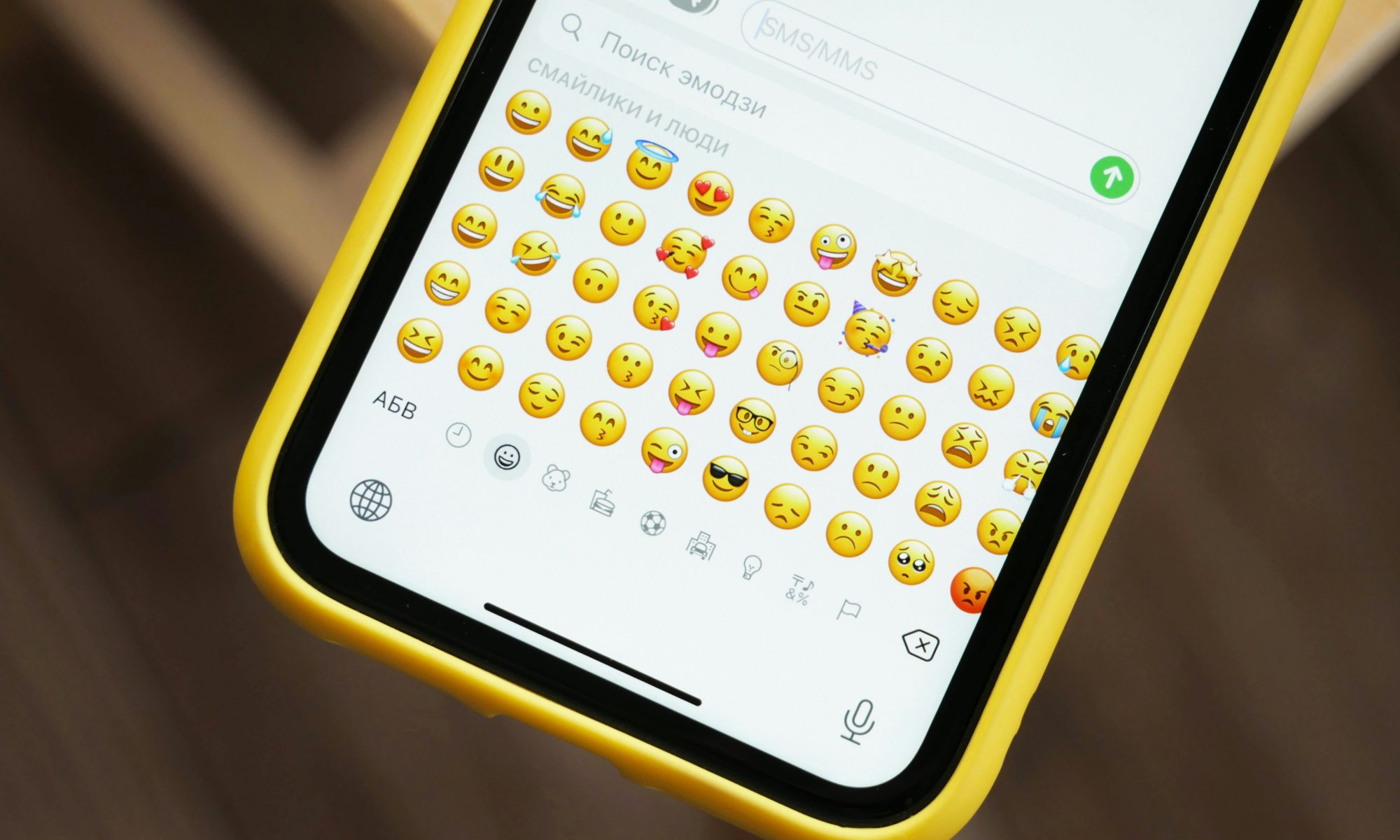
2. Enables emojis and special characters
Adding emojis isn’t just about fun; it improves message clarity and emotional connection. A retail brand might use a certain emoji to highlight a promotion or a symbolic one for a reminder alert.
Unicode ensures these symbols render correctly across devices, avoiding the common “boxes” or garbled text that can confuse or annoy recipients.
Studies in digital marketing show that campaigns with relevant emojis often see higher click-through and engagement rates.
3. Ensures correct message display
Misrendered messages can look unprofessional and hurt credibility. For example, a bank sending a transaction alert with a misread currency symbol could create confusion and customer frustration.
Unicode maintains consistency, ensuring every character, from currency signs to accented letters, appears exactly as intended. This reliability is critical for industries where accuracy and trust matter, such as finance, healthcare, or legal notifications.
4. Expands audience reach
Businesses targeting global or multicultural audiences benefit the most. Unicode supports scripts like Cyrillic, Arabic, and Chinese, allowing brands to reach regions and demographics that GSM simply cannot.
For instance, a travel agency promoting tours across Southeast Asia can send messages in Vietnamese or Thai, connecting directly with local customers and bypassing the limitations of plain text.
5. Improves personalization
Personalized messages feel more genuine. Unicode lets you include customers’ names with special characters, local phrases, or culturally relevant expressions. Imagine sending a birthday greeting to a customer named José or a thank-you note in Japanese:
Unicode preserves the accents and kanji characters correctly, making each message feel custom-tailored. This level of attention drives higher loyalty and response rates.
6. Maintains professionalism
Even when using emojis or special scripts, Unicode ensures that your messages remain readable and polished. It prevents accidental mishaps, like broken symbols or text truncation, that can undermine a brand’s image.
Companies relying on critical alerts—like airlines notifying flight changes or healthcare providers sending appointment reminders—cannot afford miscommunication. Unicode safeguards clarity while allowing creative expression.
7. Future-proof messaging
As messaging platforms evolve, Unicode ensures compatibility with new devices, apps, and global standards. Early adopters of emerging symbols or emojis can communicate seamlessly without waiting for updates.
For example, a marketing team can incorporate recently introduced emojis into campaigns immediately, knowing customers will see them as intended. Unicode provides the infrastructure for future messaging trends, from augmented reality prompts to interactive SMS elements.
8. Enables rich branding and visual identity
Unicode gives you the ability to incorporate symbols, stylistic characters, or branded icons into SMS campaigns, strengthening recognition and recall. For example, a boutique airline can consistently use ✈️ to highlight flight deals, or a fitness brand can use 💪 to emphasize health-related promotions.
Over time, these small visual cues create familiarity, helping customers immediately associate certain symbols with your brand. Unicode ensures these icons render correctly across devices, which makes every message feel polished and intentional, rather than broken or inconsistent.
9. Supports accessibility and inclusive communication
Unicode ensures that messages remain readable and functional for all users, including those who rely on assistive technologies.
Characters with accents, diacritics, or specialized scripts display properly for screen readers and other accessibility tools, ensuring that visually impaired users can understand every word.
For example, a healthcare provider sending reminders in multiple languages can rely on Unicode to preserve correct pronunciation cues in accented letters, which is critical for clarity and safety.
Inclusive messaging not only broadens your reach but also reinforces a brand’s commitment to accessibility and social responsibility.
Master Messaging Across Languages and Devices
Mastering Unicode SMS ensures your messages reach audiences accurately, no matter the language or symbols used. Correct encoding improves readability, enhances customer experience, and protects your brand’s professionalism.
For businesses sending high-volume or multilingual campaigns, understanding and using Unicode is essential.
Ready to streamline your messaging strategy and deliver error-free texts worldwide? Check out Semaphore’s SMS services to integrate Unicode SMS into your communications and reach customers reliably.
FAQ
1. What is Unicode in SMS?
Unicode in SMS is a character encoding system that assigns unique codes to letters, symbols, and emojis, ensuring messages display correctly across devices and languages.
- It allows global scripts and special characters to appear without errors.
2. How does Unicode differ from GSM?
GSM supports a limited character set with 7-bit encoding, while Unicode uses 16-bit encoding and supports thousands of characters, including emojis and non-Latin scripts.
3. Which characters are supported by Unicode SMS?
Unicode supports all major global scripts, emojis, accented letters, and special symbols used in modern messaging.
4. Can all devices display Unicode messages correctly?
Most modern devices support Unicode, but some older feature phones may show boxes or question marks for certain characters.
5. Does using Unicode affect message length or cost?
Yes. Unicode messages carry fewer characters per SMS segment and may require multiple segments, increasing sending costs.
6. What are the main benefits of using Unicode in SMS?
It ensures correct display, supports multiple languages and emojis, expands audience reach, improves personalization, and maintains professionalism.
7. When should I choose Unicode over GSM?
Use Unicode when your messages contain non-Latin scripts, accented characters, emojis, or special symbols to ensure accurate delivery and readability.
