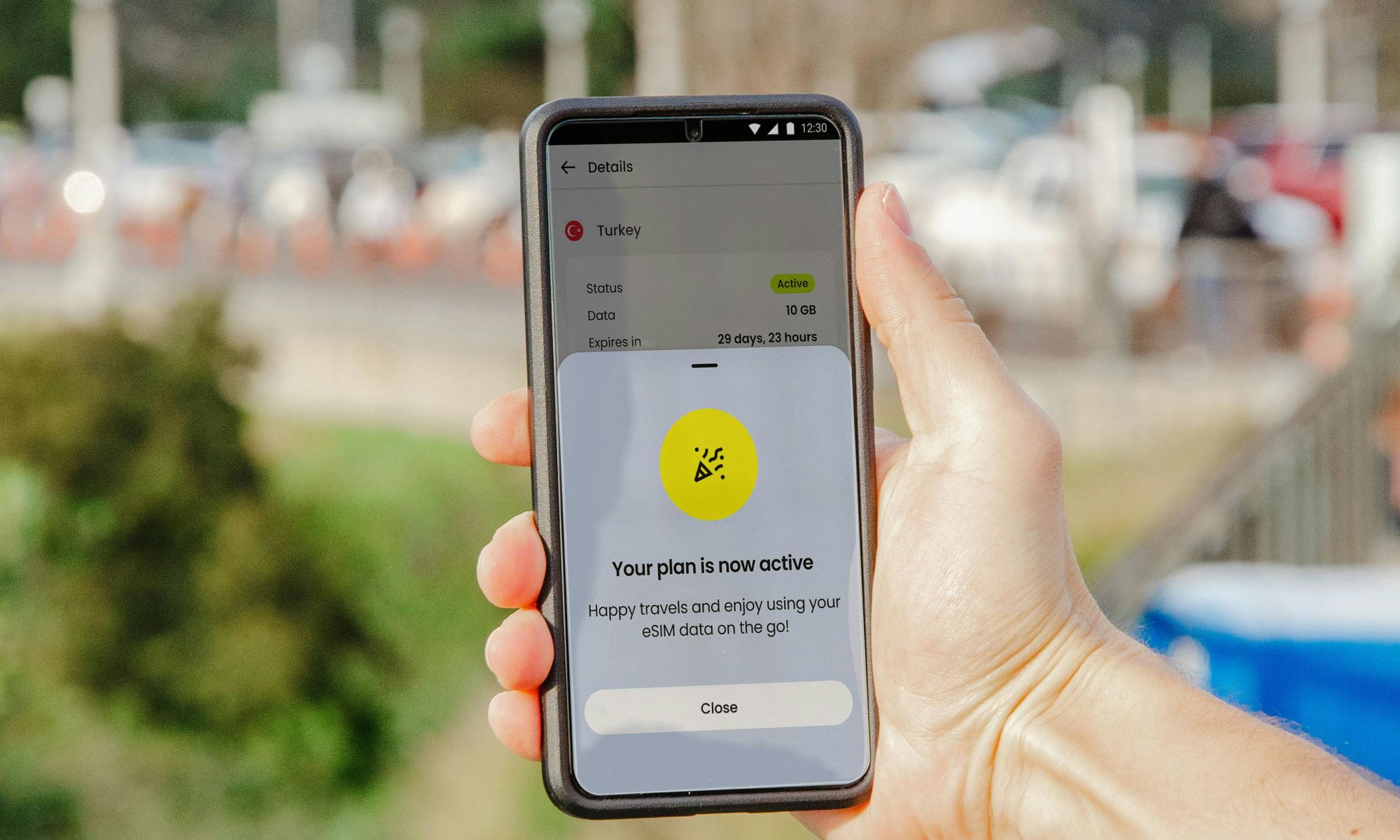
Tl;dr:The eSIM Philippines market uses a built-in digital chip to replace physical cards. It allows you to activate cellular plans remotely by downloading a profile instead of inserting a plastic tray. Instant Activation: Download your mobile plan over the air without visiting a physical store. Dual Connectivity: Use two numbers on one phone by combining a digital and physical SIM. Space Saving: Eliminates the SIM slot to allow for larger batteries or better water resistance. Travel Ready: Purchase and install local data plans before your plane even lands in Manila. |
Imagine upgrading your phone and discovering that one of the smallest parts of your device is no longer needed. What was once a physical card that had to be inserted and replaced is now being transformed into something built directly into modern smartphones.
This shift is changing how people activate mobile plans and stay connected. In the eSIM Philippines market, this technology is gaining attention as a new and more convenient way to access mobile services. This guide explores how this digital transition works and whether it is the right move for your daily communication needs.
What is an eSIM (Digital SIM Card)?
An eSIM, short for embedded SIM, is a programmable chip soldered directly onto a device’s motherboard during manufacturing. Unlike the traditional plastic cards we have used for decades, this digital SIM card cannot be removed. It serves the same purpose as a physical SIM—identifying your phone to a network—but it handles the process through software rather than hardware.
The functionality relies on a technology called Remote SIM Provisioning. Instead of waiting for a piece of plastic to arrive in the mail, your carrier sends a digital profile to your device, usually via a QR code. Once scanned, your phone’s internal chip “pretends” to be a physical card from that specific provider.
This allows you to store multiple network profiles on a single device and switch between them through your phone settings without ever needing a paperclip or a SIM ejector tool.
10 Benefits of eSIMs
The transition to digital connectivity offers several practical advantages that improve how we interact with mobile networks. Here is why many users are making the switch to eSIMs.
1. Faster mobile plan activation
You no longer need to wait for shipping or travel to a mall. Activation happens almost instantly through a digital download, meaning you can get a new number running in minutes.
2. No physical SIM card required
Since the technology is internal, you avoid the hassle of handling tiny, fragile pieces of plastic. This eliminates the frustration of losing a SIM card or damaging the gold contacts during insertion.
3. More convenient carrier switching
Changing your service provider becomes a matter of software settings. You can test different networks to see which has a better signal in your area without the commitment of a physical swap.
4. Support for multiple mobile plans
Most compatible devices allow you to store several profiles at once. This is perfect for people who want to keep their work and personal lives separate on a single device.
5. Easier international travel connectivity
Travelers can purchase local data packages online before reaching their destination. You can keep your Philippine number active for roaming texts while using a local digital profile for cheap data.
6. Reduced risk of SIM card loss
Because the chip is embedded inside the phone, there is no physical card to drop or lose. This provides peace of mind when you are frequently changing plans or traveling.
7. Better use of internal device space
Removing the bulky SIM tray allows manufacturers to use that extra room for hardware improvements. This often results in slightly larger batteries or more advanced internal sensors.
8. Improved resistance to dust and water
Fewer ports and openings mean fewer ways for liquid or debris to enter the device. Eliminating the SIM slot helps engineers create more durable, tightly sealed smartphones.
9. More secure mobile provisioning
Digital profiles are encrypted and tied to the device hardware. This makes it significantly harder for criminals to physically steal your SIM card to gain access to your bank accounts.
10. Simplified device setup and management
Setting up a new phone becomes a streamlined digital experience. You can transfer your mobile identity during the initial boot-up process without hunting for a SIM tool.
10 Drawbacks of Using an eSIM in the Philippines
While the technology is innovative, the local ecosystem still faces some growing pains that users should consider before fully committing to eSIMs.
1. Limited device compatibility
This technology is currently reserved for high-end flagship phones and some mid-range models. Users with budget-friendly or older devices will find they still require a physical card.
2. Inconsistent carrier support
While major players in the eSIM Philippines market are expanding, not all prepaid or smaller providers offer digital options yet. This can limit your choice of affordable data promos.
3. More complex device transfers
If your phone breaks or runs out of battery, you cannot simply move your SIM to a backup phone. You often have to contact your carrier to re-issue a digital profile.
4. Dependence on internet access for activation
You must have a stable Wi-Fi connection to download your network profile. If you are in a remote area with no internet, you cannot activate your cellular service.
5. Less convenient for quick SIM swaps
People who frequently move their SIM between multiple devices will find the digital process tedious. It requires several steps in the settings menu rather than a five-second physical swap.
6. Potential issues when resetting your device
If you accidentally delete your cellular profile while wiping your phone, you might lose service entirely. Restoring it usually requires a trip to a service center or a new QR code.
7. Limited support in some areas
Some provincial regions may not have the backend infrastructure to handle digital registration smoothly. This can lead to delays in service or difficulty getting technical support.
8. Harder troubleshooting for some users
When a physical SIM fails, it is easy to test it in another phone. With a digital SIM card, it is harder to determine if a signal issue is caused by the software or the hardware.
9. Fewer options for older phones
The secondary market for used phones in the Philippines is huge, but many of these older models lack the necessary chip. This creates a digital divide for those not using the latest tech.
10. Possible complications when traveling abroad
While many global carriers support this, some smaller international providers still rely on physical cards. You might find yourself stuck without a local option in certain countries.
Beyond the Plastic: A New Standard for Filipino Users
The move toward embedded technology signals a shift toward a “frictionless” mobile experience where hardware no longer dictates your connectivity. As Philippine networks continue to modernize their infrastructure, the reliance on plastic cards will likely fade into a niche memory. For the tech-savvy user, this is an opportunity to embrace a more organized and secure digital life.
If your business relies on reaching customers through these mobile networks, you need a partner that understands the local landscape. Semaphore provides a robust SMS gateway designed specifically for the Philippine market.
Whether your users are on a physical SIM or have transitioned to eSIMs, Semaphore ensures your messages bypass the noise and land directly in their hands with localized expertise and reliable delivery. Check out and avail of the SMS services of Semaphore today.
FAQ
It is a small chip built into your smartphone that acts as a permanent, digital version of a traditional SIM card.
You typically scan a QR code provided by your network operator and follow the on-screen prompts in your phone’s cellular settings.
Most recent iPhone models, Google Pixel phones, and high-end Samsung Galaxy devices currently include the necessary embedded hardware.
Yes, if your phone and carrier support it, you can run your mobile service entirely through the digital chip.
The biggest hurdles are the lack of support for older phone models and the difficulty of quickly moving your number to a different device. |
