TL;DR
Dual SIM lets you use two active phone numbers on one device, giving you better cost control, cleaner work personal separation, and stronger network coverage across the Philippines.
- Separate work and personal calls without carrying two phones
- Switch carriers easily to match promos and coverage needs
- Maintain connectivity when one network signal drops
- Balance prepaid and postpaid plans on one device
Even with eSIMs and integrated mobile solutions gaining attention, dual SIM phones remain widely used in the Philippines. Many users keep two numbers to control costs, separate work from personal life, and ensure constant connectivity across networks.
Beyond convenience, using two SIMs reflects a mindset of maximizing flexibility and control over mobile communication.
Let’s break down why dual-SIM setups continue to resonate with Filipino users, how they operate, and the practical benefits that keep them relevant even as mobile technologies evolve. By the end, you’ll understand why two numbers often beat one.
What is a Dual SIM?
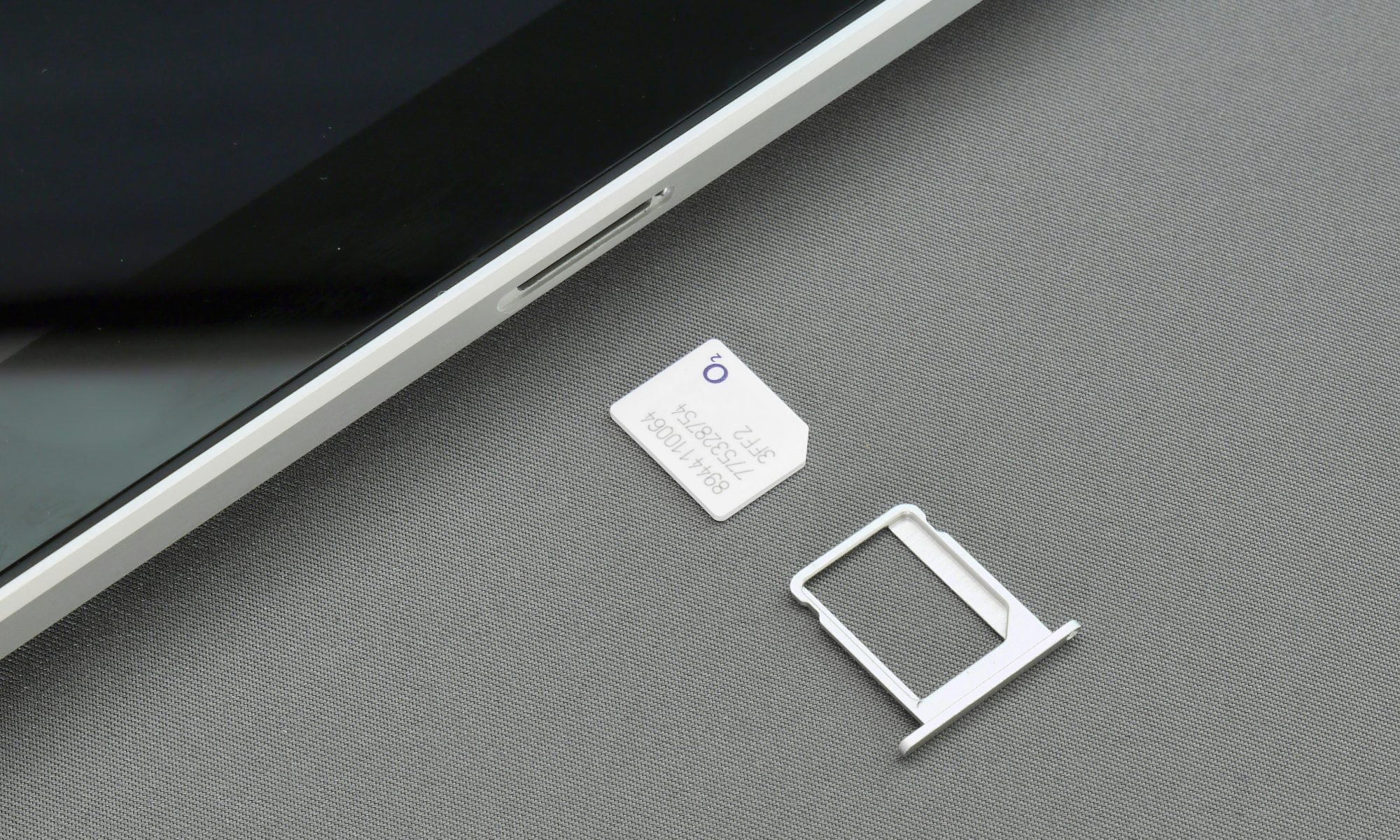
A dual SIM phone lets you use two separate SIM cards in one device. Each SIM functions independently, allowing you to make calls, send texts, and use mobile data from either number without swapping cards.
Phones accommodate this through either two physical SIM slots or a combination of one physical SIM and an eSIM.
Modern dual-SIM devices manage connections intelligently. Some let both SIMs stay active at all times (Dual SIM Dual Standby), while others require one SIM to pause when the other is in use (Single SIM Standby).
This setup gives you the freedom to mix prepaid and postpaid plans, test different carriers, or optimize coverage across regions.
With dual-SIM phones, you also gain control over notifications, data allocation, and call routing. For example, you can dedicate one SIM to work communications and another to personal contacts.
This separation keeps your digital life organized and minimizes the risk of missing important calls or messages.
10 Benefits of Having a Dual SIM Setup
Using a [dual sim] phone gives you more than just convenience. For many Filipinos, two active numbers solve real-world problems in communication, cost management, and network coverage. Here’s why dual SIM remains a daily staple:
1. Separate work and personal calls
With two numbers, you can keep work and personal communications completely distinct. You avoid mixing calls, reduce distractions, and maintain a clearer record of conversations.
Entrepreneurs, freelancers, and remote workers especially benefit—no more scrolling through a cluttered call log or missing an urgent client call amid personal notifications.
2. Reduce costs with multiple carriers
Philippine carriers constantly offer different promos for calls, texts, and mobile data. Dual SIM phones let you maximize these deals. One SIM can handle your low-cost calls, while the other manages high-speed data. This flexibility also helps avoid overpaying for services you don’t use frequently.
3. Stay connected while traveling
Whether you’re commuting between cities or visiting provinces, network coverage varies. One SIM might perform well in Metro Manila but struggle in Mindanao. Dual SIM allows you to maintain one local line for personal or work contacts while another ensures connectivity wherever you go.
International travelers can even keep a Philippine number active while using a local SIM abroad, avoiding roaming fees without losing access to family or clients.
4. Manage data across networks
Some carriers have better 4G/5G coverage in certain areas or offer specialized data packages. A dual-SIM device lets you balance usage across networks.
For instance, heavy video streaming can use a SIM with larger data allowances, while casual browsing runs on the cheaper SIM. This strategic approach prevents overages and keeps you online without juggling multiple phones.
5. Avoid missing calls or messages
Signal drops and network outages are common, especially in rural areas. If one SIM loses coverage, the other keeps you reachable. This redundancy matters for critical communication, whether coordinating logistics for work, confirming bookings, or staying in touch with family during emergencies.
6. Test network coverage easily
Trying a new carrier? Dual SIM phones let you evaluate performance without switching devices. You can compare signal strength, speed, and reliability in real time, making informed decisions before committing to a plan.
7. Switch between prepaid and postpaid plans
Mixing prepaid and postpaid options provides both budget control and premium features. Prepaid SIMs help manage expenses with limited balances, while postpaid plans handle heavier workloads with bundled services. A dual SIM device gives you the best of both worlds without extra hardware.
8. Increase flexibility for business and personal use
Running a small business or juggling multiple jobs? One SIM can manage client communications, while the other handles personal calls, messages, or social connections.
This separation reduces stress, keeps your workflow organized, and prevents accidental overlaps, like sending a business message to family contacts.
9. Use one number for calls, another for messaging
Some users prefer dedicating one line for voice calls and another for SMS, social messaging, or app verification codes. This setup is standard among freelancers, online sellers, or anyone managing multiple online accounts. It streamlines communication and avoids confusion.
10. Backup connectivity if one SIM fails
Network maintenance, outages, or poor reception won’t leave you offline. Dual SIM phones act as built-in fail-safes. You can continue working, messaging, or browsing even when one carrier experiences downtime, giving peace of mind for both personal and professional use.
Two Numbers, One Smart Setup
Dual SIM stays relevant because it solves everyday mobile problems with simple, proven logic. You control costs, reduce missed communications, and adapt to uneven network coverage without adding friction.
One device. Two active lines. Clear boundaries between work and personal life. For many Filipinos, that balance still matters.
If you need a dependable SMS solutions partner for transactional messages, OTPs, or customer communications, As a trusted SMS marketing solutions provider, Semaphore is worth serious consideration.
Its SMS APIs and messaging tools support reliable delivery across Philippine networks, which aligns well with how dual-SIM users actually communicate.
Contact us today to learn more about our services.
FAQ
1. What is a dual SIM and how does it work?
A dual sim phone supports two active phone numbers on one device, using either two physical SIMs or a physical SIM paired with an eSIM. You can manage calls, texts, and data separately.
2. Why do Filipinos still prefer dual SIM phones?
Many users rely on two numbers to manage costs, separate work and personal communication, and stay connected across different carrier networks, especially where coverage varies by location.
3. How does dual SIM help manage work and personal lines?
Dual SIM allows you to assign one number for work and another for personal use. This setup keeps contacts, call logs, and messages organized while reducing interruptions.
4. Can dual SIM reduce mobile costs?
Yes. Dual SIM lets you use different carriers for calls, texts, and data based on current promos. This flexibility helps avoid overpaying for bundled plans you don’t fully use.
5. How does dual SIM improve connectivity while traveling?
You can keep your main number active while using another SIM for better local coverage or cheaper data. If one network drops, the other keeps you reachable.
